
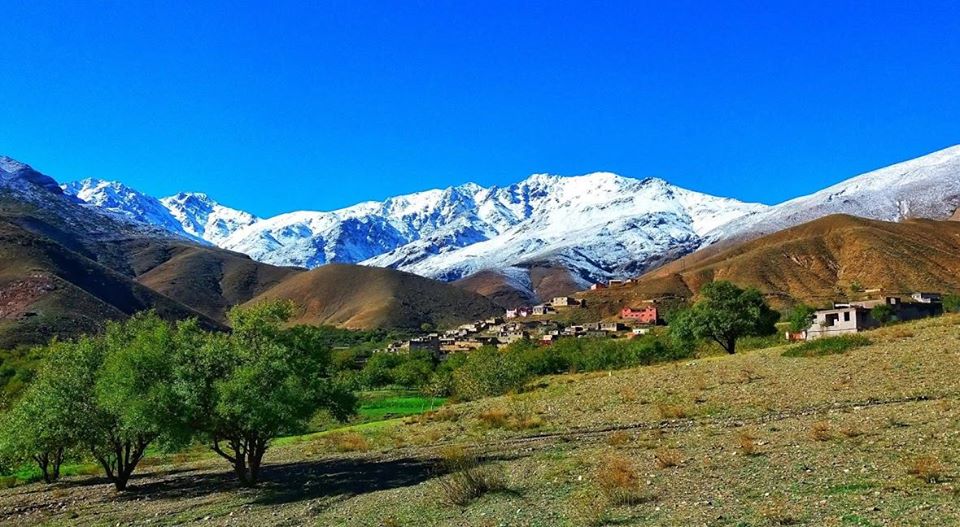
Morocco written by International Mountain Leader Marc Gallagher
At just three hours flight from most UK airports, Marrakech boasts a better climate, a more exotic culture, bigger mountains and easier access than Scotland! You can enjoy trekking up 4000m peaks in the stunning Atlas Mountains and explore unique Berber villages which still retain their traditional culture.
Morocco is rapidly developing and the Marrakech region is having huge investment put into it to increase tourism. So, it’s possible to have lunch at Pizza Hut, do your last minute gear shopping in Decathlon, and then be riding a donkey through a traditional Berber village in the mountains an hour later!
I have been living and working in Morocco for the past three years. I organise Mountaineering, Trekking and Trail Running tours in the Atlas Mountains. In my experience, the country is always far more amazing than my clients had imagined when they booked. To have such a wild and exotic place so close to Europe is just wonderful. The local cuisine is excellent and very filling – Tajine or Couscous being the staples. Moroccan fresh orange juice is available everywhere and is delicious. Mint tea, olives, fresh vegetables and fruit. The only problem with the food is that there will always be too much of it and your host will always tell you to eat more!
There are many exotic birds to see in the Atlas Mountains, including Bonelli’s Eagle, Eleanora’s Falcon, Moussier’s Black Redstart, Rollers, Black Wheatear, Shrikes, Barbary Partridge, etc.
Summiting Jbel Toubkal, at 4167m altitude, is the main draw for most people. The road-head is at the village of Imlil, a 90 minute taxi ride from Marrakech. It is a non-technical ascent if you stick to the normal routes, and the well-equipped refuges provide all that you need whilst you acclimatise to the altitude before heading for the summit. Try to avoid Saturday nights in the refuge if possible though, as there are an increasing number of locals who arrive late at night without booking. We have sometimes been asked to squeeze extra people into already full dormitory rooms.

Aside from Toubkal there are the second and third highest peaks, Ras and Temezguida, easily doable from the refuge and much quieter than Toubkal itself. There is a short ridge scramble on the approach of Ras which puts off casual trekkers because of the exposure but it is straightforward and doesn’t require any climbing gear. Way off the beaten track there is also Mgoun, the “other” 4000er which is not part of the Toubkal massif.
For me, winter is the best time of year for mountaineering, there is nothing quite like the feel of standing on a snowy summit, looking south over the hot Sahara Desert. Spring and autumn make for the best trekking times as the mixture of wildflowers and snowy peaks make for beautiful views and memorable photos.
With temperatures rising to 50C in Marrakech, the summer months are best avoided. August especially gets very busy in the mountains, with thousands of Moroccan families trying to escape to the mountains to get away from the heat.

Locals are generally very friendly and Berber hospitality is legendary. That said, there are sometimes ‘annoying’ people in the city who will try to latch on to tourists and then charge you for their “guiding” services. Be friendly but firmly say ‘no’!
As well as the mountains you could also drive down into the Sahara to ride camels through the dunes or head to the beaches of Essouira or Agadir for some surfing.
Other things to do include exploring the Souks (markets) of Marrakech, listening to traditional storytellers in the Jmal Fna square and pampering yourself with a well-deserved hammam (steam bath) and massage after your trek. Then there is quad-biking, jet skiing and camel riding in the Agafay desert just 30mins from Marrakech.
Top tips:
– Be appreciative of local culture. Morocco is becoming more westernised but is still fairly conservative in the mountains, so don’t strip off just because it is sunny. (Except on the beach of course)
– Morocco is the gateway to Africa so expect to work to Africa time not swiss time (in other words, relax and don’t worry when things take a bit longer than expected, especially at passport control upon arrival!)
– The best local guides are in high demand and very busy. The not so good ones are the ones who hang around Marrakech or Imlil trying to sell you their services. So, do your homework and book your mountaineering experience in advance with someone of good reputation. In general you get what you pay for.
– Good boots and crampons are essential for winter Toubkal ascents.
– Sun cream is always essential even when it’s -20 degrees at 4000m altitude, the sun is still intense.
– Morocco is a Muslim country, so don’t expect to be able to buy beer in the mountains (drinking alcohol is forbidden in Islam). Wait for your return to your hotel in Marrakech!
– Bring a filter or drink mineral water. The Atlas Mountains are arid and any running water will probably have passed a village higher up and so be contaminated.
– Watch out for snakes and scorpions in the summer time especially if you head towards the desert. (They are not common in the mountains).
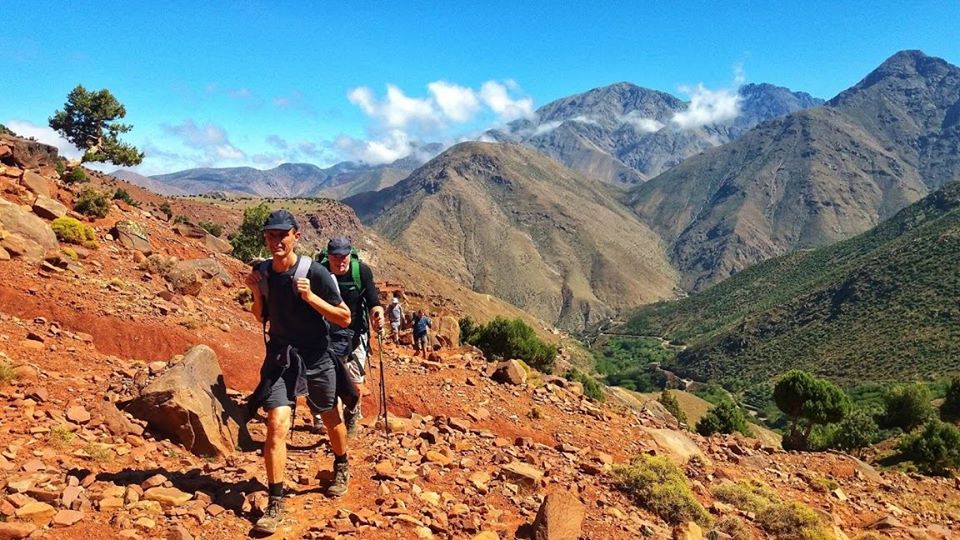
Marc Gallagher is an International Mountain Leader living in Morocco. He owns Wild Goose Adventure SARL, a Moroccan-registered outdoors company. Marc’s company provides bespoke high-quality trekking, mountaineering and trail running adventures in the Atlas Mountains. You can contact him at:
Marc Gallagher
Trek Run Climb | Atlas Mountains Morocco
wildgooseadventure.com
trailrunmorocco.com
UK phone / WhatsApp: +447870892555
Morocco phone: +212 (0) 678 81 82 88
