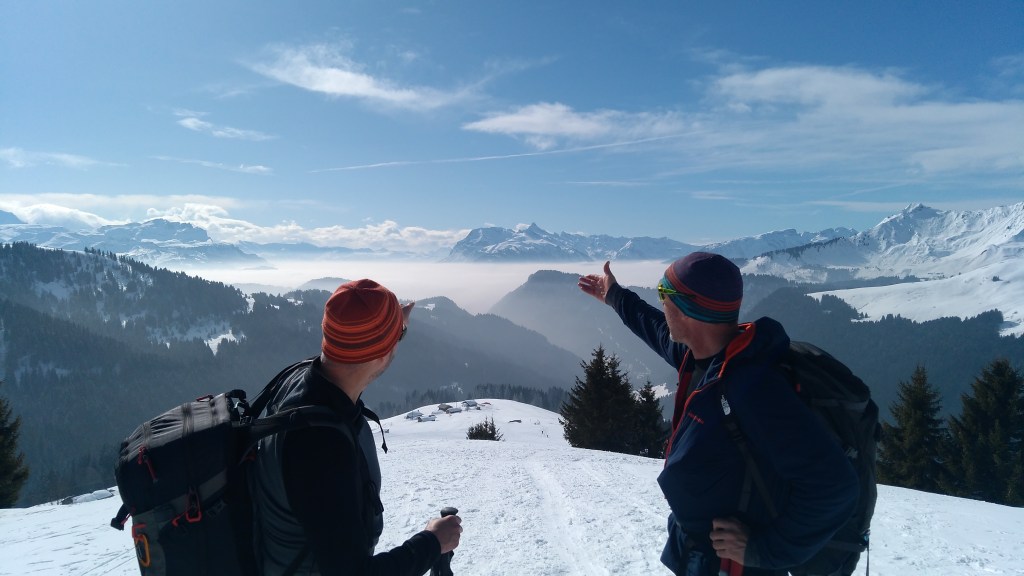
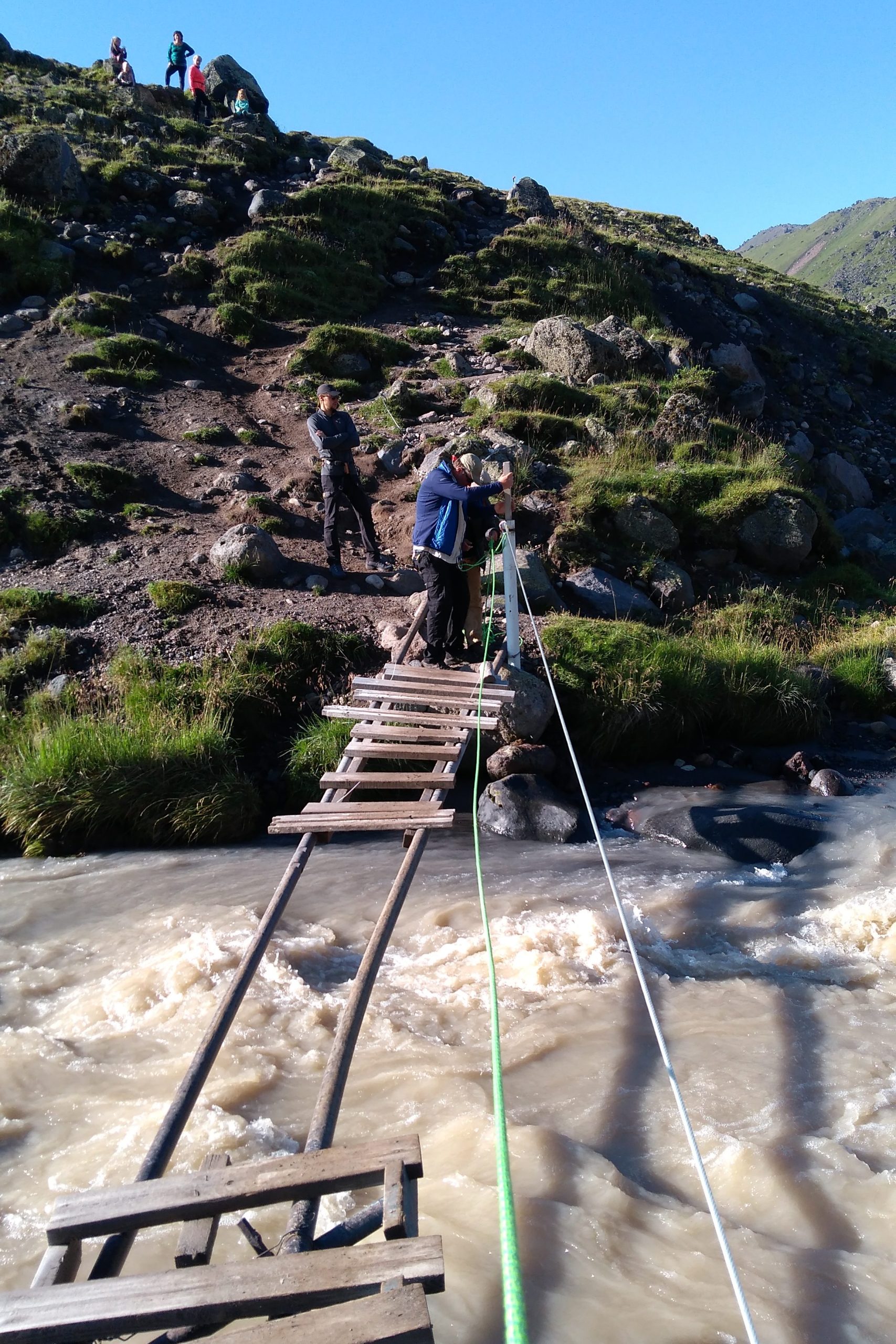
Equipped with a vast range of skills and competencies to draw upon, backed up by years of experience in the mountains both personally and professionally, IMLs do so much more than just guiding the way! Take a look at our list below to get a better idea of what an IML does, and why the qualification is deemed equivalent to an honours degree!
A flavour of what we do
- Leading and Guiding:
- Plans routes, taking into account group ability, weather conditions, and safety.
- Navigates using maps, GPS, and other tools to ensure safe passage.
- Safety and Risk Management:
- Conducts risk assessments and mitigates hazards in mountain environments.
- Monitors group members’ health and well-being, adjusting plans if needed.
- Provides first aid and emergency response in remote areas when required.
- Teaching and Coaching:
- Educates clients about mountain safety, navigation, and local ecosystems.
- Shares knowledge about flora, fauna, geology, and cultural heritage of the area.
- Trains future mountain leaders in outdoor skills.
- Planning and Logistics:
- Organizes the logistics for multi-day treks, including accommodation and supplies.
- Communicates with local authorities, partners, and support teams for seamless trip execution.
- Manages permits and adheres to local regulations.
- Cultural and Environmental Stewardship:
- Acts as an ambassador for responsible tourism and environmental conservation.
- Encourages sustainable practices to minimize impact on natural landscapes.
- Respects and incorporates cultural and historical elements into trips.
- Event Support and Consultancy:
- Provides safety oversight for mountain-based races or charity events.
- Consults on trail design, route planning, or mountain safety protocols.
- Emergency Preparedness:
- Prepares for emergencies by carrying essential safety equipment.
- Handles emergencies such as navigating to safe locations, building snow shelters, or managing rescues if required.
- Route Planning and Navigation:
- Plans safe and efficient routes through snow-covered, non-glaciated terrain.
- Navigates using maps, compasses, and GPS in poor visibility or harsh weather conditions.
- Identifies and avoids winter hazards, such as avalanches, cornices, and icy slopes.
- Avalanche Risk Management:
- Evaluates snowpack stability and monitors weather conditions to assess avalanche risk.
- Selects routes to minimize exposure to avalanche-prone areas.
- Trains and informs the group about avalanche safety procedures.
- Snow Navigation:
- Proficient in navigating through snow-covered landscapes using maps, compasses, and GPS.
- Skilled in recognizing terrain hazards such as cornices and unstable snow slopes.
- Avalanche Awareness:
- Trained in assessing avalanche risk and interpreting avalanche forecasts.
- Knowledge of snowpack structure, stability tests, and safe route selection.
- Winter Equipment Use:
- Proficient with snowshoes for efficient movement over deep snow.
- Expertise in the use of winter-specific clothing for insulation and moisture management.
- Weather Interpretation:
- Advanced understanding of winter weather patterns and their impact on conditions.
- Ability to predict rapid changes in temperature, wind, and precipitation.
- Evaluates the increased risks of dehydration, sunburn, and frostbite.
- Emergency Skills:
- Experience in winter survival techniques, such as building snow shelters.
- First aid specific to cold injuries like frostbite and hypothermia.
- Acclimatization Planning:
- Guides groups on effective acclimatization schedules to minimize altitude sickness.
- Educates clients on symptoms of Acute Mountain Sickness (AMS), High Altitude Pulmonary Edema (HAPE), and High Altitude Cerebral Edema (HACE).
- Monitoring Health at Altitude:
- Regularly checks clients for symptoms of altitude-related illnesses and takes preventive measures.
- Proficient in providing emergency first aid and initiating descent if necessary.
- Pacing and Energy Management at Altitude:
- Implements appropriate pacing strategies to conserve energy in low-oxygen environments.
- Encourages proper hydration, nutrition, and rest at altitude.
- Emergency Response at Altitude:
- Trained in high-altitude first aid and evacuation techniques.
- Effective communication with rescue services and use of equipment like satellite phones for remote locations.
- Interpreter:
- Acting as the communication liason to destination service providers.
- Fostering connections and providing cultural guideance in unfamilliar situations.
Need we go on? Showing you the way is the easy bit!